

Compression Socks for Swelling: What Works Best

Your legs ache and your shoes feel tighter by late afternoon. Maybe your ankles look puffy after a long shift, or travel leaves your socks digging rings in your skin. For many, swelling in the lower legs, ankles, or feet is more than an occasional annoyance.
Fortunately, compression socks for swelling offer targeted relief for busy professionals, frequent travelers, and anyone spending long hours on their feet. This guide unpacks how these socks work, what options make the biggest difference, and how to get the most from wearing them throughout your day.
Before you pull on your next pair, let’s get clear on how compression socks for swelling can help, and just as importantly, when you need something more.
Compression Socks for Swelling
Swelling, technically called peripheral edema, is the result of fluid leaking out from blood vessels into surrounding tissues. You’ll notice it as puffiness or a tight, stretched feeling in your lower legs, ankles, or even feet.
This can look like:
- Socks or shoes fitting tighter as the day goes on
- Skin that leaves an imprint when pressed
- A sensation of heaviness or fatigue in your legs
Swelling often shows up after:
- Long hours standing (think nurses, teachers, or retail workers)
- Sitting down for lengthy stretches, such as during travel or at a desk
- Intense physical exertion followed by inactivity
Compression socks don’t cure the root causes of swelling, such as venous disease or heart conditions. Instead, they are a practical tool to manage swelling day-to-day and prevent discomfort from fluid retention. When used consistently and correctly, they minimize symptoms so you can focus on your work or enjoy your day comfortably.
Why Leg Swelling Happens
Swelling in the legs, ankles, and feet comes down to one consistent culprit: fluid buildup.
Most of the time, gravity and prolonged periods of being stationary (whether you’re standing at a nurse’s station or sitting on a flight) cause fluid to pool in the tissues of your lower legs. Over time, veins become less efficient at returning this fluid to the heart, especially when circulation is sluggish or valves in the veins struggle to work against gravity.
You’re more likely to experience swelling if you:
- Stand for long shifts on hard surfaces
- Sit for extended periods without movement
- Walk or exercise heavily, then remain still
- Work in jobs requiring constant upright posture
Mild swelling, especially after exertion or travel, is usually harmless though uncomfortable. Sometimes, it’s a normal response to daily demands on your body.
However, swelling can signal medical issues when:
- It appears suddenly or only in one leg
- It is associated with pain, redness, or warmth
- Swelling gets worse over time or does not improve with rest
Persistent, painful, or severe swelling, especially if combined with symptoms like shortness of breath or chest pain, means you should consult a healthcare provider. Compression socks are not a substitute for a medical diagnosis in these cases.
How Compression Reduces Swelling
Graduated compression stockings apply gentle, graduated pressure to the legs. The highest pressure starts at the ankle and gradually decreases up the leg. This encourages blood and excess fluid to move upward toward the heart.
This same science-driven approach is built into the Fern Green Performance Compression Socks. Designed with targeted 15–20 mmHg compression, they deliver firm, balanced support through the foot and calf to help keep swelling in check during long shifts or high-impact days.
In practical terms, the benefits are:
- Boosting blood flow and reducing fluid from pooling in your lower legs
- Supporting veins in their uphill job of returning blood against gravity
- Minimizing the space between tissues where fluid collects
It’s not about squeezing tightly. It’s about even, graduated pressure combined with smart design, delivering steady support that keeps calves stable, circulation moving, and legs feeling lighter at the end of the day.
Compression Levels That Work Best
Choosing the right level of compression is key for both comfort and effectiveness. Too little, and you may not notice much change in swelling. Too much, and you risk discomfort or even harm.
Mild vs Moderate Compression
For most people dealing with daily or occasional swelling, mild to moderate compression hits the sweet spot.
- Mild compression (8–15 mmHg): Ideal for preventing swelling, such as during shorter workdays or infrequent travel.
- Moderate compression (15–20 mmHg): The gold standard for ongoing swelling management. This level is widely used by healthcare professionals, travelers, and pregnant women to support healthy blood flow all day. It’s strong enough to be effective yet gentle enough for regular, extended wear.
Many bamboo compression socks and performance compression socks come in these ranges, balancing practical relief with daily comfort.
Here’s what people often weigh:
- Effectiveness: Higher levels can reduce swelling more quickly but may feel restrictive.
- Comfort: If socks feel too tight, they might discourage you from wearing them consistently, reducing their benefits.
When Stronger Compression Isn’t Better
It’s tempting to assume that more pressure means more relief. But stronger compression isn’t always better, and high-compression socks (over 20 mmHg) are typically reserved for certain medical conditions under the supervision of a doctor.
Risks of excessive compression may include:
- Pain or numbness
- Tingling, especially in the toes or foot
- Skin color changes or sores
If you notice any of these symptoms after putting on new stockings, or if the socks leave deep indentations, stop wearing them and seek guidance. Higher levels of compression (such as anti-embolism stockings designed to prevent blood clots in hospital settings) should always be selected with your healthcare provider’s input.
Learn more about choosing compression therapy safely for work and recovery.
Best Sock Types for Swelling
Choosing the right style and length of compression garment makes a meaningful difference in relief and comfort.
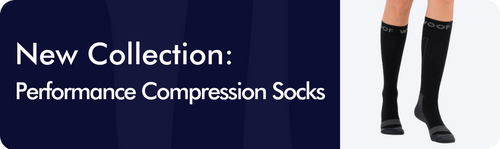
- Knee-high socks: Most frequently recommended for swelling in the lower legs, ankles, and feet. They deliver coverage for calf muscles and veins, where fluid retention is often worst. Knee-high options, such as Black Performance Compression Socks are often preferred for daily wear because they provide
- Ankle compression socks: Suitable for minor swelling localized in the ankle or foot, but less effective for general lower leg swelling.
- Thigh-highs and stockings: Useful in specific clinical scenarios involving swelling above the knee, or when prescribed for venous ulcers and circulation disorders.
- Graduated compression stockings: Designed to apply the most pressure at the ankle and gradually decrease up the leg. These are commonly used for managing swelling related to prolonged immobility, travel, or post-surgical recovery.
Practical considerations for daily wear:
- Opt for socks with reinforced heels and toes for durability.
- Choose fabrics that wick moisture and prevent blisters.
- Look for seamless designs that avoid skin irritation.
Wearing Compression Socks Correctly
Timing, fit, and technique have a big impact on how well compression socks or stockings work for your swelling.
Timing Matters
- Put on socks before swelling peaks: The best time to don compression garments is first thing in the morning, before fluid starts to accumulate.
- Wear during long periods of standing or sitting: Use them proactively for flights, shifts, or meetings where you’ll be immobile for hours.
- Daytime use is preferred: Most swelling happens during the day due to gravity and activity. Removing compression socks overnight allows your skin to breathe and helps prevent moisture problems.
Compression socks for flying or travel should be worn from before takeoff to landing to prevent swelling and blood clots.
Fit and Application
Getting the fit right is crucial. Ill-fitting socks won’t relieve swelling effectively and can even worsen symptoms.
- Take leg measurements: Measure your ankle, calf, and sometimes thigh circumference (along with leg length) as directed by the sock manufacturer. This ensures proper pressure and comfort.
- Avoid rolling, folding, or bunching: Bunched socks or folded tops create bands of high pressure that can trap fluid and irritate skin.
- Smooth application: Socks should sit flat against the skin, providing even compression without pinching.
When your socks fit correctly, you’ll notice gentle, supportive pressure without pain or digging.
Situations Where Compression Socks Help Most
Compression socks shine during routines or tasks that put a steady strain on your legs and veins. Common scenarios include:
- Long shifts on hard surfaces: Hospital floors, retail spaces, and factory settings.
- Extended travel: Flights, buses, or car rides where movement is limited, increasing the risk of blood clots.
- Desk work: Sitting at a desk for most of the day can be as tough on veins as standing. Wearing compression reduces achy legs and swelling.
- Physical activity and recovery: Vigorous activity leads to muscle fatigue and mild swelling, which can be managed by using socks post-workout.
- Recovery after demanding days: If you work multiple long shifts or have an evening event after being on your feet, compression socks can help speed recovery.
When Compression Socks May Not Help
Compression isn’t a magic bullet. Some causes of swelling require different solutions, or shouldn’t be managed by compression socks alone.
- Acute injuries: If your swelling follows a sprain, fracture, or direct injury, you may need to rest, ice, or immobilize the area instead of compressing it.
- Skin irritation or sensitivities: Allergic reactions or contact dermatitis can be worsened by even mild pressure or heat.
- Poor fit or construction: Socks that are too tight, loose, or poorly made can make swelling worse or create new problems, like blisters.
- Medical conditions requiring assessment: Persistent, severe swelling, pain, or changes in skin appearance should be assessed by a doctor. Compression may help symptoms, but underlying health conditions (like heart failure or advanced vein disease) need medical care first.
If in doubt, pause use and consult your healthcare provider. Some patients will need other solutions outlined by their medical team instead.
Swelling Conditions That Need Caution
Certain health concerns call for care and often professional guidance before using compression therapy.
You should not use compression socks without input from a healthcare provider if you have:
- A history of blood clots, or experienced deep vein thrombosis
- Severe circulation problems (such as advanced peripheral artery disease)
- Open sores, venous ulcers, or persistent skin wounds
- Sudden, one-sided, or extremely painful leg swelling
It’s important to remember: Compression should not replace medical evaluation. Get assessed if you’re unsure of the cause or if swelling has changed suddenly. Anti-embolism stockings, and stronger graduated compression, are for specific situations under direct supervision.
Comfort Features That Matter for Swelling
Wearing compression socks all day is only helpful if they support your comfort as well as your veins. Pay special attention to materials and construction:
- Breathability: Fabrics that let skin breathe, such as bamboo or moisture-wicking fibers, are less likely to cause overheating, which can lead to more fluid buildup.
- Smooth seams: Proper seam placement avoids pressure points and minimizes blister risk, especially on long days.
- Moisture control: Socks designed with moisture-wicking properties maintain skin health by reducing dampness that can irritate or weaken the skin.
- Targeted compression zones: Look for socks with added structure at the arch or ankle for extra stability without constriction.
Many performance compression socks are designed with ventilation panels and reinforced zones, making them suitable for all-day wear without added discomfort or pressure. Options made from soft merino wool or bamboo add durability with less sweat and odor, while supporting leg veins gently.
For eco-minded professionals, sustainable, comfortable compression solutions also provide relief.
Compression During Activity vs Daily Wear
Not all compression is the same. The context in which you use your socks changes what features you should prioritize.
- Athletic compression: Designed for sports, these socks offer firmer support and better stretch recovery against frequent movement.
- Medical-style compression: Typically made with more graduated, precise pressure; best for managing swelling related to circulation problems or long periods of standing.
Why it matters:
- For all-day standing or sitting, firm yet flexible support distributes pressure evenly and comfortably.
- For activity, fabric durability and shape retention preserve the benefits over months of washing and wearing.
For maximum stability and durability, performance compression socks are ideal. They keep their shape even after many wears, maintaining balanced support for active days.
Signs Compression Is Working
How do you know compression is actually making a difference?
You’ll notice:
- Less visible swelling at your ankles or lower legs by evening
- Decreased feeling of heaviness: Legs feel lighter, especially after a shift
- No deep sock indentations or pain: Compression provides gentle support, not discomfort
- Gradual gains: Results are cumulative, not instant. The longer you consistently wear compression socks, the more you’ll benefit from reduced fluid retention and better blood flow.
Common Mistakes When Managing Swelling
Avoid these all-too-common errors to get the best results from your compression socks for swelling:
- Waiting until swelling is severe: Early, regular use is far more effective for prevention than trying to reverse established swelling.
- Prioritizing style over substance: Colorful or patterned socks look great, but always check the specs, actual graduated compression and proper fit come first.
- Wearing the wrong size or length: Ill-fitting socks are less effective and can cause other problems, like soreness or skin redness.
- Ignoring skin or comfort issues: If you notice pain, indents, or changes to your skin, discontinue use and check sizing or compression level.
Conclusion
Compression socks for swelling bring much-needed relief to those facing long shifts, travel, or simply daily life on their feet. When chosen wisely, fitted with care, and worn consistently, these
Every leg and every routine is different, but with a range of compression garments now available for work, activity, and daily wellness, including thoughtfully designed options from Dr. Woof Apparel, it is easier than ever to find the support your legs deserve.
Here’s to lighter steps and lasting comfort, no matter where your shift takes you.